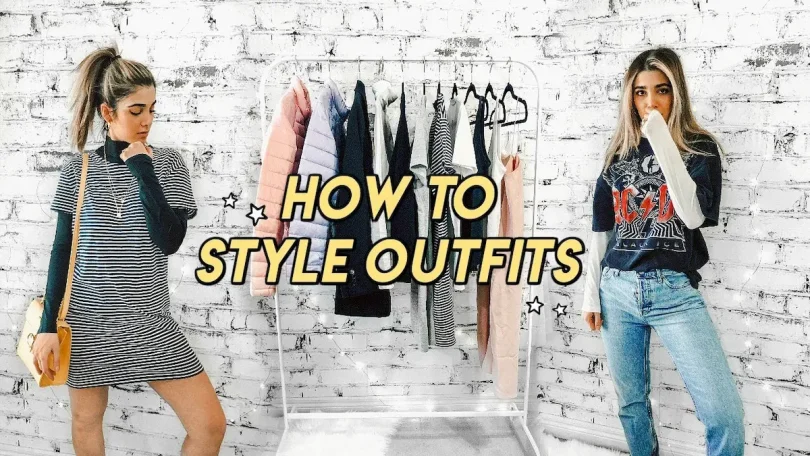

Have you ever stood in front of your closet wondering what to wear? You’re not alone. Learning how to style outfits isn’t about owning expensive clothes or following every fashion trend. It’s about understanding what works for your body, personality, and lifestyle. Once you know a few simple styling principles, getting dressed becomes easier, faster, and much more enjoyable.
In this guide, you’ll learn how to style outfits with confidence, whether you’re dressing for work, school, a casual outing, or a special occasion.
Why Outfit Styling Matters
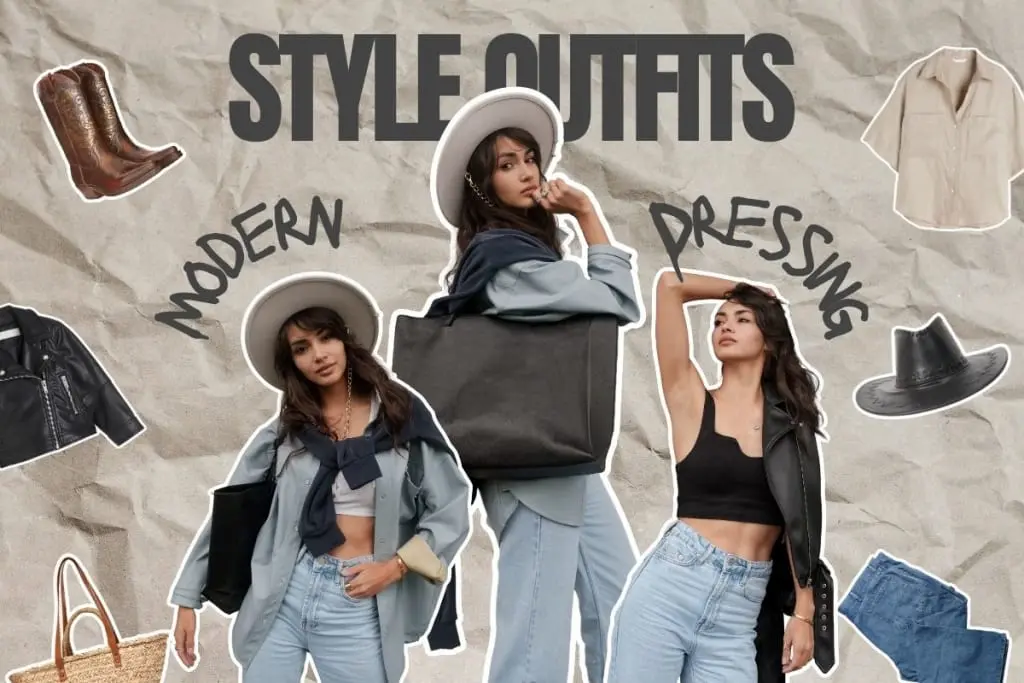
Your outfit is one of the first things people notice about you. A well-styled outfit can:
- Boost your confidence
- Help you express your personality
- Make you look more polished
- Improve first impressions
- Help you feel comfortable throughout the day
The good news is that great style doesn’t require a huge budget.
Start with the Basics
Before adding trendy pieces, build your wardrobe around timeless essentials.
Basic T-Shirts
Choose neutral colors like:
- White
- Black
- Gray
- Navy
- Beige
These match almost everything.
Well-Fitted Jeans
A quality pair of jeans can be styled in countless ways.
Popular options include:
- Straight-leg
- Slim-fit
- Relaxed-fit
- Wide-leg
- Mom jeans
Neutral Shoes
Invest in shoes that go with multiple outfits, such as:
- White sneakers
- Loafers
- Chelsea boots
- Black flats
- Classic heels
Wear Clothes That Fit Properly
One of the biggest style mistakes isn’t wearing the wrong clothes—it’s wearing clothes that don’t fit.
A proper fit should:
- Sit comfortably on your shoulders
- Allow easy movement
- Not feel too tight
- Not appear too baggy
Tailoring inexpensive clothing often makes it look more expensive.
Choose a Color Palette
Understanding colors makes how to style outfits much easier.
Neutral Colors
Neutral shades pair well with nearly everything.
Examples include:
- Black
- White
- Gray
- Beige
- Navy
- Brown
Accent Colors
Add personality with brighter colors like:
- Emerald green
- Burgundy
- Mustard yellow
- Lavender
- Rust orange
- Sky blue
A simple rule is to wear mostly neutrals with one or two accent colors.
Balance Your Outfit
Creating balance helps every outfit look polished.
Examples:
- Oversized sweater + skinny jeans
- Loose trousers + fitted top
- Wide-leg pants + tucked-in shirt
- Maxi skirt + cropped jacket
Avoid wearing everything oversized or everything extremely tight.
You may also like to read this:
How To Build A Wardrobe That Fits Your Style and Budget
Fashion Rules To Follow For A Stylish and Confident Look
Essential Fashion Tips: Complete Guide To Everyday Style
Casual Outfit Ideas: Simple & Stylish Everyday Looks
Smart Casual Style: Complete Outfit Guide
Layer Like a Pro
Layering instantly makes outfits more stylish.
Try combinations like:
- T-shirt + denim jacket
- Hoodie + bomber jacket
- Shirt + cardigan
- Sweater + long coat
- Dress + blazer
Layers also add depth and texture.
Accessorize Without Overdoing It
Accessories complete an outfit.
Popular accessories include:
- Watches
- Necklaces
- Bracelets
- Earrings
- Rings
- Belts
- Sunglasses
- Handbags
Remember:
Sometimes less is more.
Choose one statement accessory instead of wearing everything at once.
Mix Different Textures
Texture adds visual interest.
Try mixing:
- Denim
- Leather
- Cotton
- Linen
- Wool
- Satin
- Knit fabrics
For example:
A leather jacket with a cotton tee and denim jeans creates a stylish combination.
Dress for the Occasion
Knowing how to style outfits also means dressing appropriately.
Casual
- Jeans
- Sneakers
- T-shirt
- Hoodie
Office
- Blazer
- Dress pants
- Loafers
- Button-down shirt
Date Night
- Dark jeans
- Stylish top
- Boots or heels
- Minimal accessories
Formal Events
- Suit
- Evening dress
- Dress shoes
- Elegant jewelry
Understand Your Body Shape
Wear clothing that highlights your best features.
General tips:
Pear Shape
- Add volume to the shoulders.
- Choose darker bottoms.
Apple Shape
- Define the waist.
- Wear structured jackets.
Rectangle Shape
- Add curves with belts and layered clothing.
Hourglass Shape
- Highlight the waist with fitted clothing.
Remember, these are guidelines—not rules.
Use the Rule of Thirds
Fashion stylists often use the Rule of Thirds.
Instead of splitting your body exactly in half:
- Tuck in your shirt.
- Wear cropped jackets.
- Use high-waisted pants.
This creates more flattering proportions.
Don’t Ignore Footwear
Shoes can completely change an outfit.
Examples:
- Sneakers make outfits relaxed.
- Boots add confidence.
- Loafers look sophisticated.
- Sandals create a summer vibe.
- Heels add elegance.
Always keep your shoes clean.
Build Outfits Around One Statement Piece
Instead of making everything bold, choose one standout item.
Examples:
- Bright blazer
- Printed skirt
- Colorful shoes
- Leather jacket
- Bold handbag
Keep the rest of the outfit simple.
Learn to Mix Casual and Dressy Pieces
Modern fashion often mixes styles.
Examples:
- Sneakers with a blazer
- Jeans with heels
- Dress pants with a hoodie
- Midi dress with denim jacket
- Graphic tee with tailored trousers
This creates effortless style.
Follow Trends Carefully
Trends come and go.
Instead of buying everything fashionable:
- Choose trends you genuinely like.
- Mix trendy pieces with classic basics.
- Avoid buying items you’ll only wear once.
Classic fashion always stays relevant.
Keep Your Clothes Neat
Even expensive clothes won’t look stylish if they’re wrinkled.
Remember to:
- Iron shirts
- Steam dresses
- Polish shoes
- Remove lint
- Replace missing buttons
Good grooming makes every outfit look better.
Create Outfit Formulas
Having a few outfit formulas saves time.
Examples:
Formula 1
- White T-shirt
- Blue jeans
- White sneakers
- Denim jacket
Formula 2
- Black trousers
- Beige sweater
- Loafers
- Watch
Formula 3
- Midi dress
- Belt
- Sandals
- Crossbody bag
Repeat formulas using different colors.
Seasonal Outfit Styling Tips
Spring
- Floral tops
- Light jackets
- White sneakers
- Pastel colors
Summer
- Linen shirts
- Shorts
- Sandals
- Cotton dresses
Autumn
- Knit sweaters
- Boots
- Scarves
- Earth tones
Winter
- Wool coats
- Turtlenecks
- Leather boots
- Layered outfits
Common Outfit Styling Mistakes
Avoid these mistakes:
- Wearing clothes that don’t fit
- Matching every color exactly
- Ignoring accessories
- Wearing dirty shoes
- Following every trend
- Over-accessorizing
- Forgetting balance
- Wearing wrinkled clothes
Easy Outfit Styling Tips for Beginners
If you’re just learning how to style outfits, start with these simple habits:
- Buy versatile basics.
- Stick to neutral colors.
- Add one statement piece.
- Wear clothes that fit well.
- Keep shoes clean.
- Layer your outfits.
- Accessorize thoughtfully.
- Plan outfits the night before.
Small improvements make a big difference.
Final Thoughts
Learning how to style outfits is a skill that improves with practice. You don’t need a designer wardrobe or endless shopping trips to look fashionable. Focus on fit, balance, color coordination, layering, and confidence. Build your wardrobe with timeless essentials, experiment with accessories, and wear outfits that make you feel like the best version of yourself.
The more you practice how to style outfits, the easier it becomes to create looks that are stylish, comfortable, and uniquely yours.
FAQs About How to Style Outfits
1. How do you style outfits for beginners?
Start with wardrobe basics like plain T-shirts, well-fitted jeans, neutral shoes, and simple jackets. Focus on clothes that fit well, stick to neutral colors, and add one accessory or statement piece to complete your look.
2. What is the easiest way to learn how to style outfits?
The easiest way to learn how to style outfits is by building outfits around classic wardrobe staples. Experiment with layering, color combinations, and accessories while wearing pieces that make you feel comfortable and confident.
3. How can I make simple outfits look more stylish?
You can make simple outfits look more stylish by:
Adding a belt or statement jewelry
Layering with a blazer or denim jacket
Wearing clean, fashionable shoes
Tucking in your shirt
Mixing different textures like denim, leather, and knitwear
4. How do I choose the right colors for my outfit?
Start with neutral colors such as black, white, gray, beige, and navy. Then add one or two accent colors that complement your skin tone and personal style. Keeping your color palette balanced creates a polished look.
5. What are the basic rules for how to style outfits?
Some simple styling rules include:
Wear clothes that fit properly.
Balance fitted and loose pieces.
Dress appropriately for the occasion.
Don’t overdo accessories.
Keep your clothes clean and wrinkle-free.