
Have you ever stood in front of your closet wondering what to wear, even though it’s full of clothes? If so, learning how to build a wardrobe can completely change the way you get dressed every day. Instead of buying random pieces that never match, you can create a wardrobe filled with clothes you actually love, wear often, and feel confident in.
The good news is that how to build a wardrobe isn’t about spending thousands of dollars on designer clothing. It’s about making smart choices, investing in versatile essentials, and choosing pieces that fit your lifestyle. Whether you’re starting from scratch, updating your closet, or creating a capsule wardrobe, this guide will walk you through every step.
Why Learning How to Build a Wardrobe Matters
A well-built wardrobe offers much more than stylish outfits.
Benefits include:
- Saves money by reducing unnecessary shopping
- Makes getting dressed faster
- Helps you feel more confident
- Creates more outfit combinations
- Reduces closet clutter
- Encourages thoughtful shopping
- Improves your personal style
Instead of asking, “What should I wear?” you’ll already have plenty of great options.
Step 1: Clean Out Your Closet
Before buying anything new, take everything out of your closet.
Sort your clothing into four piles:
Keep
Items you wear regularly and love.
Donate
Clothes that no longer fit or suit your style.
Sell
Designer or quality pieces you no longer wear.
Repair
Items needing minor fixes like buttons or hems.
Decluttering helps you see what you already own.
Step 2: Understand Your Lifestyle
Your wardrobe should match your daily life.
Ask yourself:
- Do you work in an office?
- Are you a student?
- Do you work remotely?
- Do you attend formal events often?
- Do you exercise regularly?
- Do you travel frequently?
Build your wardrobe around how you actually spend your time—not your fantasy lifestyle.
Step 3: Define Your Personal Style
You don’t need to follow every fashion trend.
Think about what you naturally enjoy wearing.
Popular styles include:
- Casual
- Minimalist
- Classic
- Streetwear
- Chic
- Bohemian
- Sporty
- Business casual
- Elegant
- Vintage
Save outfit inspiration from Pinterest or Instagram to discover patterns in what you like.
Step 4: Choose a Neutral Color Palette
Neutral colors make mixing and matching much easier.
Good wardrobe colors include:
- Black
- White
- Gray
- Navy
- Beige
- Brown
- Olive
Then add accent colors like:
- Burgundy
- Sage green
- Dusty blue
- Mustard
- Soft pink
A coordinated color palette creates countless outfit combinations.
Step 5: Invest in Wardrobe Essentials

These basics work with almost everything.
Tops
- White T-shirt
- Black T-shirt
- Neutral tank top
- Button-down shirt
- Polo shirt
- Lightweight sweater
Bottoms
- Blue jeans
- Black jeans
- Chinos
- Tailored trousers
- Shorts
- Casual skirt (optional)
Outerwear
- Denim jacket
- Blazer
- Cardigan
- Hoodie
- Winter coat
- Rain jacket
Dresses (Optional)
- Little black dress
- Casual everyday dress
- Maxi dress
Shoes
- White sneakers
- Running shoes
- Loafers
- Boots
- Sandals
- Formal shoes
Accessories
- Belt
- Watch
- Sunglasses
- Crossbody bag
- Tote bag
- Backpack
- Simple jewelry
Step 6: Focus on Quality Instead of Quantity
One high-quality shirt often lasts longer than several cheap ones.
When shopping, check:
- Fabric quality
- Stitching
- Buttons
- Zippers
- Fit
- Comfort
Quality clothing usually saves money over time.
You may also like to read this:
How To Dress Well: Simple Tips To Look Stylish Every Day
Fashion Basics For Beginners: Build Your Style With Ease
15 Types of Clothing Styles: Complete Fashion Guide
Fashion Rules To Follow For A Stylish and Confident Look
Step 7: Buy Clothes That Fit Properly
Even expensive clothing won’t look good if it doesn’t fit.
Pay attention to:
- Shoulder seams
- Sleeve length
- Waist fit
- Pant length
- Overall comfort
If needed, visit a tailor for small adjustments.
Step 8: Build Slowly
You don’t have to replace your entire wardrobe overnight.
A smart approach is:
Week 1:
- White T-shirt
Week 2:
- Blue jeans
Week 3:
- White sneakers
Week 4:
- Neutral sweater
Small improvements add up over time.
Step 9: Create Outfit Formulas
Instead of thinking about individual pieces, think in combinations.
Examples:
Casual
White T-shirt + Jeans + Sneakers
Smart Casual
Button-down Shirt + Chinos + Loafers
Office
Blazer + Trousers + Dress Shoes
Weekend
Hoodie + Jeans + Running Shoes
These outfit formulas make mornings much easier.
Step 10: Avoid Impulse Buying
Before purchasing, ask yourself:
- Will I wear this at least 30 times?
- Does it match three other items?
- Does it fit my lifestyle?
- Do I genuinely like it?
- Am I buying it just because it’s on sale?
These questions help prevent wardrobe clutter.
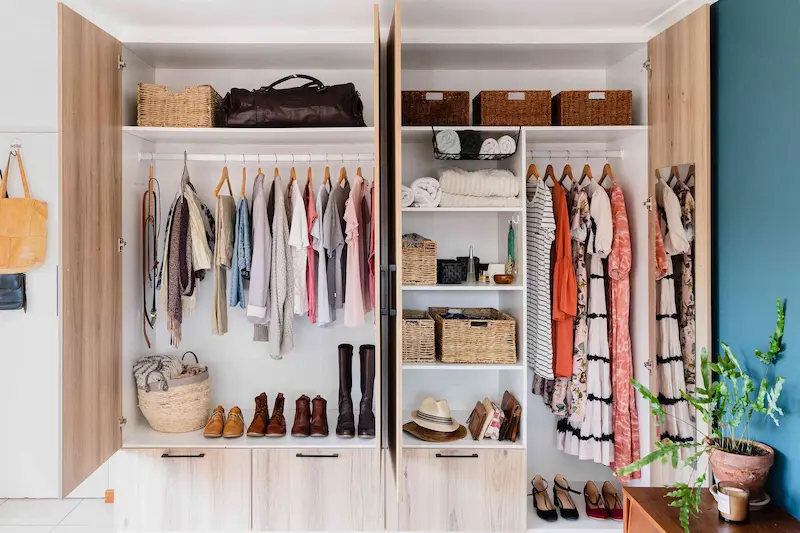
Step 11: Organize Your Closet
Keeping your wardrobe organized helps you see what you own.
Tips:
- Hang jackets and shirts.
- Fold sweaters to prevent stretching.
- Store seasonal clothing separately.
- Use matching hangers.
- Arrange clothes by color.
- Keep shoes together.
- Store accessories in organizers.
A tidy closet makes getting dressed much more enjoyable.
Step 12: Refresh Your Wardrobe Each Season
Every few months:
- Remove worn-out clothing.
- Donate unused items.
- Wash winter coats before storing.
- Replace basics if needed.
- Add one or two trendy pieces if you enjoy current fashion.
Seasonal maintenance keeps your wardrobe feeling fresh.
Common Wardrobe Building Mistakes
Avoid these common errors:
- Buying clothes just because they’re on sale
- Ignoring proper fit
- Following every trend
- Purchasing low-quality basics
- Keeping clothes you never wear
- Buying duplicates unnecessarily
- Forgetting accessories
- Having too many statement pieces
Sample Capsule Wardrobe Checklist
Here’s a simple wardrobe foundation:
Tops
- 5 T-shirts
- 3 button-down shirts
- 2 sweaters
- 2 hoodies
Bottoms
- 3 jeans
- 2 chinos
- 1 tailored trouser
- 2 shorts
Outerwear
- Denim jacket
- Blazer
- Winter coat
Shoes
- White sneakers
- Boots
- Running shoes
- Dress shoes
Accessories
- Belt
- Watch
- Backpack
- Sunglasses
This collection can create dozens of outfit combinations.
Budget Tips for Building a Wardrobe
Building a stylish wardrobe doesn’t require a huge budget.
Money-saving ideas include:
- Shop during seasonal sales
- Visit thrift stores
- Buy timeless basics first
- Wait before making expensive purchases
- Compare prices online
- Invest more in shoes and coats
- Spend less on trendy items
Being intentional with your purchases helps you get the most value.
Signs You Have a Great Wardrobe
You’ll know your wardrobe is working when:
- You can create outfits quickly.
- Most items mix and match easily.
- You feel confident wearing your clothes.
- You rarely say, “I have nothing to wear.”
- You shop less often but make better purchases.
- Your closet stays organized.
Final Thoughts
Learning how to build a wardrobe is one of the smartest investments you can make in your personal style. A carefully planned wardrobe saves time, reduces stress, and helps you feel confident every day. Remember that how to build a wardrobe is a gradual process—start with versatile basics, focus on quality, choose clothes that reflect your lifestyle, and build your collection one thoughtful piece at a time.
With patience and smart planning, you’ll create a wardrobe that works for every season, every occasion, and every version of you.
FAQs About How to Build a Wardrobe
1. How do I build a wardrobe from scratch?
Start by decluttering your closet and identifying your lifestyle needs. Focus on buying essential pieces such as neutral T-shirts, jeans, trousers, versatile shoes, and outerwear. Building a wardrobe gradually helps you make smarter purchasing decisions.
2. What are the basic items every wardrobe should have?
A well-rounded wardrobe should include:
White and black T-shirts
Blue jeans
Tailored trousers
Button-down shirts
Neutral sweater
Blazer or jacket
White sneakers
Comfortable everyday shoes
3. How many clothes do I need in my wardrobe?
There is no perfect number. The goal is to have enough clothing to create multiple outfits without owning unnecessary items. Quality and versatility are more important than quantity.
4. How can I build a wardrobe on a budget?
Shop during sales, buy timeless basics first, consider thrift stores, and avoid impulse purchases. Investing in versatile pieces helps you get more value from each item.
5. What colors should I choose when building a wardrobe?
Start with neutral colors like black, white, gray, navy, beige, and brown. These colors are easy to mix and match and form a strong wardrobe foundation.