
If you’ve ever looked at your closet and thought, “I have nothing to wear,” you’re not alone. The good news is that Fashion basics for beginners don’t have to be confusing or expensive. You don’t need a closet full of designer clothes to look stylish. By understanding a few simple fashion principles, you can create outfits that look polished, feel comfortable, and suit your personality.
This guide will walk you through Fashion basics for beginners in a friendly, easy-to-understand way. Whether you’re starting from scratch or simply want to improve your everyday style, you’ll find practical tips that anyone can follow.
What Are Fashion Basics?
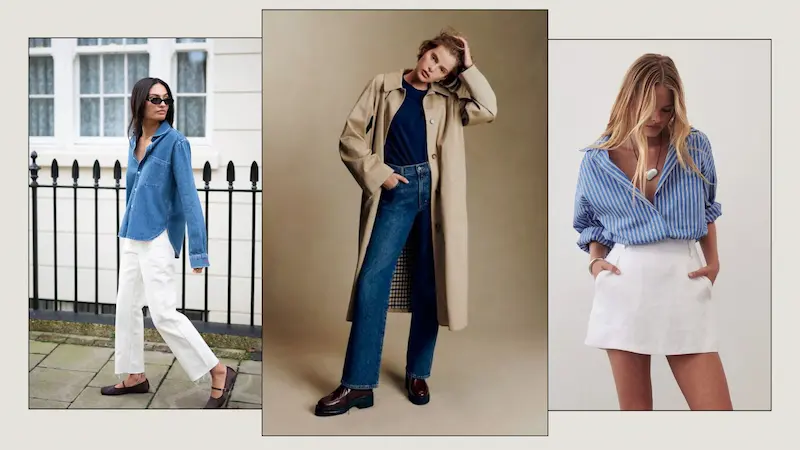
Fashion basics are timeless clothing pieces that work well together and can be mixed and matched to create countless outfits. These essentials never go out of style and serve as the foundation of a versatile wardrobe.
Some examples include:
- Plain white T-shirts
- Black jeans
- Blue jeans
- Neutral hoodies
- Button-up shirts
- Sneakers
- White sneakers
- Black trousers
- Denim jackets
- Simple sweaters
These items can be dressed up or down depending on the occasion.
Why Learning Fashion Basics Matters
Learning Fashion basics for beginners offers many benefits:
- Saves money by reducing unnecessary shopping.
- Makes getting dressed quicker.
- Helps you build confidence.
- Creates a more organized wardrobe.
- Makes shopping easier.
- Helps develop your personal style.
Instead of following every trend, you’ll have a reliable wardrobe that works all year.
Build Your Wardrobe with Essential Pieces
You don’t need hundreds of clothes. Start with quality essentials.
Basic Tops
Include:
- White T-shirt
- Black T-shirt
- Gray T-shirt
- Polo shirt
- Oxford shirt
- Casual button-down shirt
- Neutral sweatshirt
These pieces pair easily with jeans, chinos, shorts, and jackets.
Essential Bottoms
Choose versatile options like:
- Blue denim jeans
- Black jeans
- Chinos
- Black trousers
- Khaki pants
- Comfortable shorts
Stick with classic colors for maximum versatility.
Must-Have Jackets
Outerwear can transform an outfit instantly.
Good beginner choices include:
- Denim jacket
- Bomber jacket
- Lightweight hoodie
- Blazer
- Casual overshirt
These work across multiple seasons.
Shoes Every Beginner Needs
You don’t need dozens of shoes.
Start with:
- White sneakers
- Black sneakers
- Casual loafers
- Running shoes
- Dress shoes for formal events
Comfort should always come first.
Learn the Importance of Fit
Even expensive clothes won’t look good if they don’t fit properly.
Pay attention to:
- Shoulder seams
- Sleeve length
- Pant length
- Waist size
- Shirt length
Clothes should feel comfortable without being too tight or too loose.
A tailor can often make affordable clothing look much more expensive.
Choose Neutral Colors First
Neutral colors make outfit building much easier.
Start with:
- White
- Black
- Gray
- Navy
- Beige
- Olive
- Brown
Once you’re comfortable, gradually add brighter colors.
Understand Basic Color Matching
A simple outfit often looks the best.
Examples:
- White shirt + blue jeans
- Black T-shirt + gray jeans
- Navy shirt + khaki pants
- Beige sweater + black trousers
- White sneakers with almost everything
Avoid wearing too many bright colors in one outfit.
Dress for the Occasion
One important part of Fashion basics for beginners is knowing what to wear.
Casual
- Jeans
- T-shirt
- Sneakers
Smart Casual
- Chinos
- Polo shirt
- Loafers
- Blazer
Formal
- Suit
- Dress shirt
- Tie
- Leather shoes
Always consider where you’re going before choosing your outfit.
Accessories That Improve Any Outfit
Accessories complete your look without overwhelming it.
Start with:
- Simple watch
- Leather belt
- Sunglasses
- Backpack
- Minimal bracelet
- Cap
Keep accessories simple and avoid wearing too many at once.
Discover Your Personal Style
Fashion isn’t about copying everyone else.
Ask yourself:
- What colors do I enjoy?
- What makes me feel confident?
- Do I prefer casual or formal clothing?
- Which outfits do I wear most often?
Your style should reflect your personality.
Buy Quality Instead of Quantity
Instead of buying ten cheap shirts, invest in two or three well-made ones.
Benefits include:
- Longer lifespan
- Better comfort
- Improved appearance
- Better value over time
Quality clothing often saves money in the long run.
You may also like to read this:
How To Dress Well: Simple Tips To Look Stylish Every Day
15 Types of Clothing Styles: Complete Fashion Guide
How To Build A Wardrobe That Fits Your Style and Budget
Fashion Rules To Follow For A Stylish and Confident Look
Organize Your Closet
A clean wardrobe makes dressing easier.
Try these tips:
- Fold sweaters neatly.
- Hang jackets and shirts.
- Donate clothes you no longer wear.
- Store seasonal items separately.
- Group similar colors together.
An organized closet helps you see what you already own.
Common Fashion Mistakes Beginners Should Avoid
Many beginners make similar mistakes.
Avoid:
- Buying clothes that don’t fit
- Following every trend
- Wearing wrinkled clothes
- Ignoring shoe condition
- Wearing too many accessories
- Mixing too many colors
- Buying items you’ll never wear
Simple, clean outfits usually look more stylish.
Seasonal Fashion Basics
Spring
- Light jackets
- Jeans
- Sneakers
- Polo shirts
Summer
- Cotton T-shirts
- Shorts
- Sandals
- Lightweight shirts
Autumn
- Hoodies
- Denim jackets
- Chinos
- Boots
Winter
- Sweaters
- Coats
- Scarves
- Warm boots
Building seasonal outfits helps you stay comfortable year-round.
Smart Shopping Tips for Beginners
Shopping becomes easier when you have a plan.
Remember to:
- Make a shopping list.
- Buy versatile items first.
- Try clothes before purchasing.
- Compare quality.
- Avoid impulse buying.
- Wait for seasonal sales.
Focus on essentials before trendy pieces.
Build Confidence Through Fashion
Looking good isn’t about expensive brands.
Confidence comes from:
- Wearing clothes that fit well
- Staying clean and well-groomed
- Choosing outfits you enjoy
- Standing with good posture
- Smiling
When you feel comfortable in your clothes, it naturally shows.
Fashion Basics Checklist
Here’s a beginner-friendly wardrobe checklist:
- White T-shirt
- Black T-shirt
- Blue jeans
- Black jeans
- Chinos
- Button-up shirt
- Hoodie
- Sweater
- Denim jacket
- Blazer
- White sneakers
- Black sneakers
- Leather belt
- Simple watch
These pieces can create dozens of outfit combinations.
Final Thoughts
Learning Fashion basics for beginners is all about keeping things simple and building confidence one step at a time. You don’t need an expensive wardrobe or expert knowledge to dress well. Start with timeless essentials, choose clothes that fit properly, stick to neutral colors, and gradually discover your own personal style.
Remember, fashion is a journey—not a race. As you become more comfortable with the basics, you’ll naturally develop a wardrobe that reflects your personality while helping you look and feel your best every day. By following these Fashion basics for beginners, you’ll create stylish outfits with less effort and more confidence.
FAQs About Fashion Basics for Beginners
1. What are Fashion basics for beginners?
Fashion basics for beginners are timeless clothing essentials that help you build a versatile wardrobe. They include items like plain T-shirts, jeans, button-up shirts, neutral sweaters, sneakers, and jackets that can be mixed and matched to create stylish outfits for different occasions.
2. How can beginners start building a stylish wardrobe?
Start by investing in wardrobe essentials instead of trendy pieces. Choose well-fitting clothes in neutral colors, such as white, black, gray, navy, and beige. Focus on quality over quantity and add accessories gradually as you develop your personal style.
3. What are the must-have clothing items for beginners?
Some wardrobe essentials include:
White and black T-shirts
Blue and black jeans
Chinos or trousers
Button-up shirt
Hoodie or sweater
Denim jacket
Blazer
White sneakers
Black dress shoes
Leather belt
4. Why is clothing fit important in fashion?
A proper fit can make even affordable clothing look stylish. Clothes that fit well improve your appearance, boost confidence, and ensure comfort. Avoid clothing that is too tight or too loose, and consider tailoring important pieces for a perfect fit.
5. Which colors should beginners choose?
Beginners should start with neutral colors like white, black, gray, navy, beige, olive, and brown. These colors are easy to mix and match, making it simple to create multiple outfits without needing a large wardrobe.