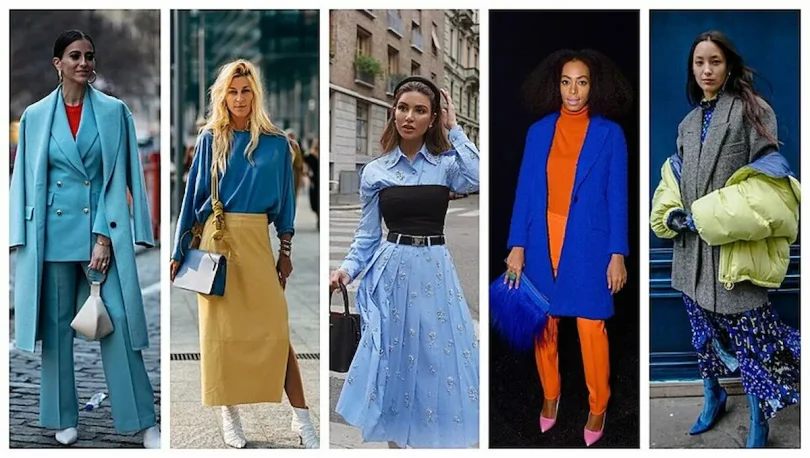

Have you ever stood in front of your wardrobe wondering whether your shirt matches your pants? If so, you’re not alone. Color matching clothes is one of the easiest ways to improve your style without buying new outfits. When you know how to combine colors correctly, even simple clothing can look fashionable, polished, and expensive. The good news is that you don’t need to be a fashion expert to master it—you just need to understand a few basic principles.
In this guide, you’ll learn everything about color matching clothes, from understanding the color wheel to creating stylish outfits for every season and occasion.
Why Color Matching Clothes Matters
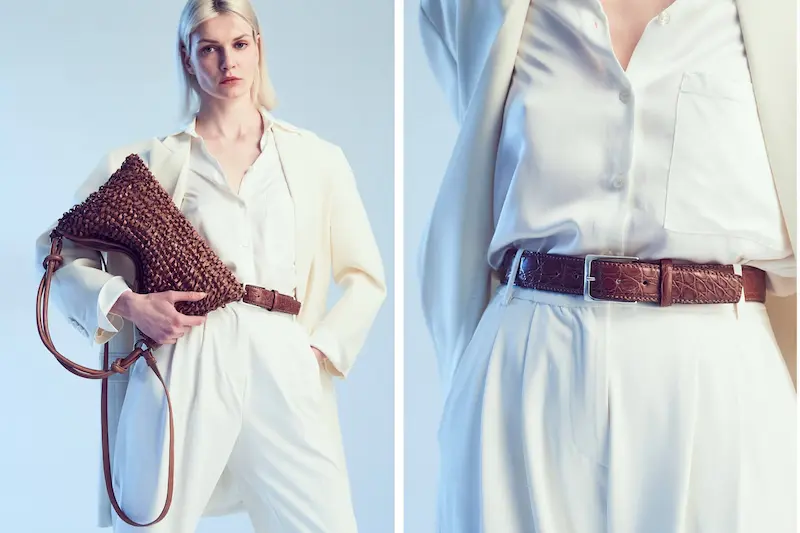
The colors you wear influence how your outfit looks and how confident you feel. Matching colors properly can:
- Make outfits look balanced
- Highlight your favorite features
- Create a polished appearance
- Help you build a versatile wardrobe
- Reduce the time spent choosing outfits
- Make inexpensive clothing look more stylish
When colors work together, your entire outfit feels intentional instead of random.
Understanding the Color Wheel
The color wheel is the foundation of color matching clothes.
Primary Colors
- Red
- Blue
- Yellow
These colors cannot be created by mixing other colors.
Secondary Colors
These are created by mixing primary colors.
- Green
- Orange
- Purple
Tertiary Colors
These are combinations of primary and secondary colors.
Examples include:
- Blue-green
- Yellow-orange
- Red-purple
Knowing these relationships makes it much easier to choose matching outfits.
Neutral Colors: Your Best Friend
Neutral colors match almost everything and should make up most of your wardrobe.
Popular neutral colors include:
- White
- Black
- Gray
- Beige
- Cream
- Brown
- Navy
- Olive
These colors provide the perfect base for brighter shades.
For example:
- White shirt + navy jeans
- Black pants + beige sweater
- Gray hoodie + blue jeans
- Brown chinos + cream shirt
Basic Rules for Color Matching Clothes
1. Start with Neutral Colors
If you’re unsure what to wear, begin with neutral pieces.
Example:
- White shirt
- Black jeans
- Brown shoes
This combination rarely goes out of style.
2. Use One Statement Color
Bright colors attract attention.
Instead of wearing several bright colors together, choose one.
Example:
- Black pants
- White sneakers
- Bright blue jacket
The jacket becomes the focal point.
3. Follow the 60-30-10 Rule
This is a classic styling trick.
- 60% main color
- 30% secondary color
- 10% accent color
Example:
- Navy blazer
- White shirt
- Burgundy tie
The outfit looks balanced rather than overwhelming.
4. Avoid Too Many Bright Colors
Too many bold colors compete for attention.
Instead of:
- Bright red shirt
- Bright green pants
- Yellow shoes
Try:
- Black pants
- White shirt
- Red jacket
Simple is usually more stylish.
Easy Color Combinations That Always Work
Black and White
A timeless classic.
Perfect for:
- Work
- Dinner
- Casual outings
- Formal occasions
Navy and White
Fresh, clean, and elegant.
Looks great during every season.
Gray and Black
Modern and sophisticated.
Perfect for everyday wear.
Beige and White
Soft and minimal.
Ideal for summer outfits.
Brown and Cream
Warm and stylish.
Excellent for fall fashion.
Olive and Beige
Natural-looking and trendy.
Works especially well with casual clothing.
Blue and Gray
A professional combination suitable for office wear.
Burgundy and Navy
Rich colors that create an elegant appearance.
Matching Warm and Cool Colors
Warm colors include:
- Red
- Orange
- Yellow
Cool colors include:
- Blue
- Green
- Purple
You can mix warm and cool colors, but balance them carefully.
Example:
- Navy pants
- Rust sweater
or
- Olive jacket
- White shirt
Monochromatic Outfits
Monochromatic dressing means wearing different shades of one color.
Examples:
- Light blue shirt
- Medium blue jeans
- Navy jacket
or
- Beige sweater
- Tan pants
- Brown boots
This creates a sophisticated and expensive-looking outfit.
Complementary Colors
Complementary colors sit opposite each other on the color wheel.
Examples include:
- Blue and orange
- Purple and yellow
- Red and green
Use these combinations carefully.
For instance:
- Navy shirt
- Tan chinos
instead of bright orange pants.
Analogous Colors
These colors sit next to each other on the color wheel.
Examples:
- Blue
- Blue-green
- Green
These combinations create smooth and harmonious outfits.
Best Clothing Colors for Every Season
Spring
Choose light and fresh colors.
Examples:
- Mint
- Lavender
- White
- Peach
- Sky blue
Summer
Wear breathable colors.
Popular choices include:
- White
- Beige
- Light gray
- Light blue
- Soft pink
Autumn
Earthy shades look best.
Examples:
- Olive
- Brown
- Rust
- Camel
- Burgundy
Winter
Darker colors dominate.
Examples:
- Black
- Navy
- Charcoal
- Emerald
- Deep red
You may also like to read this:
Essential Fashion Tips: Complete Guide To Everyday Style
Casual Outfit Ideas: Simple & Stylish Everyday Looks
Smart Casual Style: Complete Outfit Guide
How To Style Outfits: Easy Tips For Every Occasion
Everyday Fashion Tips For Looking Stylish Every Day
Color Matching Clothes for Men
Some classic combinations include:
- White shirt + navy chinos
- Black jeans + gray hoodie
- Olive jacket + beige pants
- Blue jeans + black T-shirt
- Brown jacket + cream sweater
These outfits work for almost every age.
Color Matching Clothes for Women
Popular combinations include:
- Beige dress + white sneakers
- Black skirt + cream blouse
- White jeans + denim jacket
- Olive trousers + white shirt
- Pink blouse + gray pants
Simple combinations often look the most elegant.
Matching Shoes with Clothes
Shoes can make or break your outfit.
Black Shoes
Best with:
- Black
- Gray
- Navy
Brown Shoes
Match well with:
- Blue
- Beige
- Olive
- Cream
White Sneakers
Go with almost everything:
- Jeans
- Dresses
- Shorts
- Chinos
Matching Accessories
Accessories should complement your outfit instead of overpowering it.
Examples:
- Brown belt with brown shoes
- Silver jewelry with cool-toned outfits
- Gold jewelry with warm colors
- Neutral handbags for versatility
Keeping accessories coordinated creates a polished look.
Common Color Matching Mistakes
Avoid these fashion mistakes:
- Wearing too many bright colors
- Mixing clashing shades without balance
- Ignoring neutral colors
- Forgetting to match shoes and belts
- Wearing neon colors for every occasion
- Combining too many patterns
Simple combinations often look more stylish.
Building a Color-Coordinated Wardrobe
Start with essential neutral pieces.
Must-have items include:
- White T-shirt
- Black pants
- Blue jeans
- Navy blazer
- Gray sweater
- Beige chinos
- Black jacket
- White sneakers
Once you have these basics, adding colorful pieces becomes much easier.
Color Matching Clothes for Different Occasions
Casual Outfits
- White T-shirt
- Blue jeans
- White sneakers
Office Wear
- Navy blazer
- White shirt
- Gray trousers
Date Night
- Black shirt
- Dark jeans
- Brown boots
Wedding Guest
- Charcoal suit
- White shirt
- Burgundy tie
Weekend Outing
- Olive jacket
- Cream T-shirt
- Blue jeans
Quick Tips for Better Color Matching Clothes
- Build outfits around neutral colors.
- Use one bold color as an accent.
- Match shoes with your belt when possible.
- Experiment with different shades of the same color.
- Dress according to the season.
- Keep patterns balanced with solid colors.
- Try outfits in natural light to see how colors look.
- Confidence is the best finishing touch.
Final Thoughts
Learning color matching clothes doesn’t have to be difficult. By understanding basic color combinations, using neutral shades as your foundation, and adding accent colors thoughtfully, you can create outfits that look stylish for any occasion.
Remember that fashion is personal, so don’t be afraid to experiment while keeping these simple guidelines in mind. With practice, color matching clothes will become second nature, helping you dress with confidence every day.
Frequently Asked Questions (FAQs)
1. What is color matching clothes?
Color matching clothes is the process of combining clothing colors that complement each other to create a balanced, stylish, and coordinated outfit. It involves using neutral colors, complementary colors, and harmonious color combinations to improve your overall appearance.
2. What colors match with everything?
Neutral colors are the easiest to match with almost anything. These include:
White
Black
Gray
Beige
Navy
Cream
Brown
Olive
These colors form a strong foundation for creating versatile outfits.
3. How can beginners learn color matching clothes?
Beginners should start by wearing neutral colors and adding one accent color at a time. Learning basic color wheel principles and experimenting with simple combinations like white and navy or black and gray can make color matching clothes much easier.
4. What is the 60-30-10 color rule in fashion?
The 60-30-10 rule is a styling guideline that helps create balanced outfits:
60% dominant color
30% secondary color
10% accent color
For example, wear a navy blazer (60%), white shirt (30%), and burgundy tie (10%).
5. Can you wear black and brown together?
Yes, black and brown can be worn together when styled thoughtfully. Pair black clothing with lighter brown shoes, belts, or accessories to create a modern and sophisticated look.