Have you ever bought a beautiful outfit only to realize it feels uncomfortable after wearing it for a few hours? That’s why choosing the best fabric for clothing is just as important as picking the right style. The fabric you wear affects your comfort, appearance, durability, and even how confident you feel. Whether you’re shopping for everyday wear, office outfits, workout clothes, or special occasions, understanding different fabrics can help you make smarter choices.
In this guide, we’ll walk through the most popular clothing fabrics, their pros and cons, and how to choose the right one for every season and occasion.
Why Choosing the Best Fabric for Clothing Matters
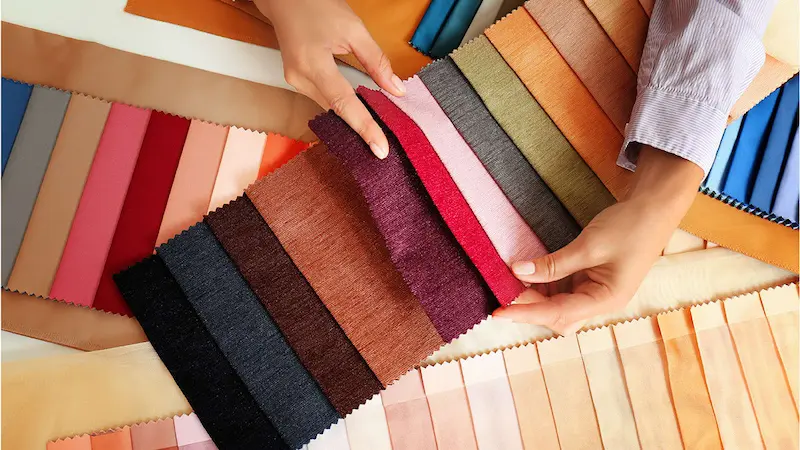
Many people focus only on color, design, or price when buying clothes. However, fabric plays an equally important role.
The right fabric can:
- Keep you comfortable throughout the day
- Help regulate body temperature
- Improve the overall fit of your clothes
- Last longer with proper care
- Reduce skin irritation
- Make your outfits look more stylish
Investing in quality fabric often means your clothes will look better and last much longer.
Factors to Consider When Choosing Fabric
Before buying any clothing item, think about these important factors.
Comfort
Comfort should always come first. Soft and breathable fabrics make everyday wear much more enjoyable.
Breathability
Breathable fabrics allow air to circulate, keeping you cool during warm weather.
Durability
Some fabrics last for years without losing their shape, while others wear out quickly.
Maintenance
Consider how much care the fabric needs. Some require dry cleaning, while others can be machine washed.
Stretch
Stretchy fabrics are ideal for activewear and fitted clothing.
Climate
Choose fabrics that match the weather where you live.
- Lightweight fabrics for summer
- Thick insulating fabrics for winter
Best Fabric for Clothing: Top Choices

Let’s look at the most popular fabrics and what makes each one unique.
Cotton
Cotton is one of the world’s most popular clothing fabrics.
Advantages
- Extremely soft
- Breathable
- Comfortable
- Affordable
- Easy to wash
- Suitable for sensitive skin
Best For
- T-shirts
- Casual wear
- Summer clothes
- Children’s clothing
- Everyday outfits
Pros
- Natural fiber
- Absorbs moisture
- Lightweight
- Comfortable all day
Cons
- Wrinkles easily
- May shrink after washing
Linen
Linen is made from flax fibers and is famous for keeping people cool.
Advantages
- Highly breathable
- Lightweight
- Elegant appearance
- Natural texture
Best For
- Summer shirts
- Dresses
- Beachwear
- Vacation outfits
Pros
- Excellent airflow
- Very durable
- Gets softer with every wash
Cons
- Wrinkles quickly
- Usually more expensive than cotton
Wool
Wool provides excellent insulation during cold weather.
Advantages
- Keeps body warm
- Moisture resistant
- Long-lasting
- Soft varieties available
Best For
- Sweaters
- Jackets
- Winter coats
- Scarves
Pros
- Excellent insulation
- Durable
- Naturally odor-resistant
Cons
- Can feel itchy
- Requires special care
Silk
Silk is known for its luxurious feel and elegant appearance.
Advantages
- Smooth texture
- Lightweight
- Naturally shiny
- Comfortable
Best For
- Evening wear
- Formal dresses
- Blouses
- Luxury clothing
Pros
- Beautiful appearance
- Breathable
- Soft on skin
Cons
- Expensive
- Delicate
- Requires careful washing
Polyester
Polyester is one of the most commonly used synthetic fabrics.
Advantages
- Strong
- Wrinkle resistant
- Affordable
- Quick drying
Best For
- Sportswear
- Jackets
- Uniforms
- Everyday clothing
Pros
- Durable
- Doesn’t shrink
- Easy maintenance
Cons
- Less breathable
- Can trap heat
Rayon
Rayon offers the softness of natural fibers while remaining affordable.
Advantages
- Lightweight
- Smooth
- Comfortable
- Drapes beautifully
Best For
- Dresses
- Blouses
- Skirts
- Fashion clothing
Pros
- Soft texture
- Breathable
- Elegant appearance
Cons
- Can wrinkle easily
- Weak when wet
Denim
Denim remains one of the most durable clothing fabrics.
Advantages
- Extremely durable
- Stylish
- Timeless fashion
- Long-lasting
Best For
- Jeans
- Jackets
- Shirts
- Casual wear
Pros
- Tough fabric
- Ages beautifully
- Versatile
Cons
- Heavy
- Takes longer to dry
Bamboo Fabric
Bamboo fabric has become increasingly popular due to its softness and eco-friendly qualities.
Advantages
- Soft
- Breathable
- Moisture-wicking
- Gentle on sensitive skin
Best For
- Underwear
- T-shirts
- Sleepwear
- Baby clothing
Pros
- Comfortable
- Odor resistant
- Eco-friendly
Cons
- Often more expensive
- Quality varies by manufacturer
Spandex
Spandex is famous for its exceptional stretch.
Advantages
- Flexible
- Comfortable
- Shape-retaining
Best For
- Activewear
- Leggings
- Swimwear
- Sports clothing
Pros
- Excellent elasticity
- Comfortable fit
- Durable when blended
Cons
- Rarely used alone
- Sensitive to high heat
You may also like to read this:
How To Style Outfits: Easy Tips For Every Occasion
Everyday Fashion Tips For Looking Stylish Every Day
Color Matching Clothes Tips For Stylish Everyday Outfits
Dress For Your Body Type: Style Tips For Every Shape
How To Choose Clothes: Simple Tips For Every Occasion
Best Fabric for Clothing by Season
Summer
Choose lightweight and breathable fabrics such as:
- Cotton
- Linen
- Bamboo
- Lightweight rayon
These help keep your body cool.
Winter
Warm fabrics include:
- Wool
- Fleece
- Heavy cotton
- Flannel
These provide insulation and comfort.
Spring
Ideal fabrics include:
- Cotton
- Lightweight denim
- Rayon
- Cotton blends
Autumn
Good options include:
- Denim
- Wool blends
- Corduroy
- Knit fabrics
Best Fabric for Everyday Clothing
For daily wear, comfort and durability matter most.
Excellent choices include:
- Cotton
- Cotton blends
- Polyester blends
- Bamboo
- Lightweight denim
These fabrics balance comfort, affordability, and long-lasting performance.
Best Fabric for Formal Clothing
Formal outfits often require fabrics with a polished appearance.
Top choices include:
- Silk
- Satin
- Wool
- Linen
- High-quality cotton
These fabrics provide elegance while maintaining comfort.
Best Fabric for Workout Clothes
Exercise requires fabrics that move with your body.
Look for:
- Polyester
- Nylon
- Spandex blends
These materials wick moisture, dry quickly, and provide flexibility.
Best Fabric for Sensitive Skin
People with sensitive skin should prioritize natural, breathable materials.
Recommended fabrics:
- Organic cotton
- Bamboo
- Linen
- Silk
Avoid fabrics that trap heat or feel rough against the skin.
Natural vs Synthetic Fabrics
Natural Fabrics
Examples include:
- Cotton
- Wool
- Linen
- Silk
- Bamboo
Benefits
- Breathable
- Comfortable
- Eco-friendly
- Gentle on skin
Synthetic Fabrics
Examples include:
- Polyester
- Nylon
- Acrylic
- Spandex
Benefits
- Durable
- Affordable
- Wrinkle resistant
- Quick drying
Many modern clothes combine both natural and synthetic fibers to get the best of both worlds.
Tips for Choosing the Best Fabric for Clothing
Here are some simple tips to help you shop smarter:
- Always check the clothing label.
- Choose breathable fabrics for hot weather.
- Select insulating fabrics for winter.
- Think about how often you’ll wear the item.
- Consider washing instructions before buying.
- Feel the fabric with your hands to judge softness.
- Choose quality over quantity whenever possible.
Common Fabric Mistakes to Avoid
Many shoppers make these mistakes:
- Buying clothes based only on appearance
- Ignoring fabric labels
- Choosing heavy fabrics for summer
- Purchasing delicate fabrics for daily wear
- Forgetting maintenance requirements
Avoiding these mistakes can save both money and frustration.
How to Make Your Clothes Last Longer
No matter which fabric you choose, proper care extends its life.
- Wash according to care labels.
- Use gentle detergent.
- Avoid excessive heat.
- Store clothes properly.
- Air dry delicate fabrics when possible.
- Fold knitwear instead of hanging it.
Good care helps maintain both comfort and appearance.
Conclusion
Finding the best fabric for clothing doesn’t have to be difficult. Once you understand the strengths of different fabrics, you’ll make better shopping decisions and enjoy clothes that feel comfortable, look great, and last longer. Cotton remains the best all-around choice for everyday comfort, linen excels in hot weather, wool keeps you warm during winter, silk adds elegance for special occasions, and polyester blends offer durability for active lifestyles.
The next time you shop for clothes, don’t just focus on style—take a moment to check the fabric label. Choosing the best fabric for clothing can make a noticeable difference in how your clothes fit, feel, and perform every day.
FAQs About Best Fabric for Clothing
1. What is the best fabric for clothing?
The best fabric for clothing depends on your needs. Cotton is the best all-around choice because it is soft, breathable, comfortable, and suitable for everyday wear. Linen is excellent for summer, while wool is ideal for winter.
2. Which fabric is best for hot weather?
Lightweight and breathable fabrics like cotton, linen, bamboo, and rayon are perfect for hot weather. They allow air to circulate and help keep you cool.
3. What is the most durable fabric for clothing?
Denim, polyester, and wool are among the most durable fabrics. They resist wear and tear, making them great choices for everyday use and long-lasting garments.
4. Which fabric is best for sensitive skin?
Natural fabrics such as organic cotton, bamboo, silk, and linen are gentle on sensitive skin. They are breathable and less likely to cause irritation.
5. Is cotton better than polyester?
Both have their advantages. Cotton is more breathable, softer, and comfortable, while polyester is more durable, wrinkle-resistant, and quick-drying. Many modern clothes combine both fabrics for the best performance.