Finding the best shoes for everyday wear isn’t just about following fashion trends—it’s about choosing footwear that keeps your feet comfortable, supported, and healthy throughout the day. Whether you’re walking to work, attending classes, running errands, traveling, or spending hours on your feet, the right shoes can make every step easier and more enjoyable.
Many people underestimate how much their shoes affect their daily lives. Wearing uncomfortable or poorly made shoes can lead to sore feet, back pain, knee discomfort, and even poor posture over time. On the other hand, a high-quality pair of everyday shoes provides cushioning, stability, durability, and confidence wherever you go.
In this complete guide, you’ll learn everything you need to know about choosing the best shoes for everyday wear, including the most important features, the best materials, different shoe types, buying tips, common mistakes to avoid, and how to care for your shoes so they last longer.
Why Choosing the Best Shoes for Everyday Wear Is Important
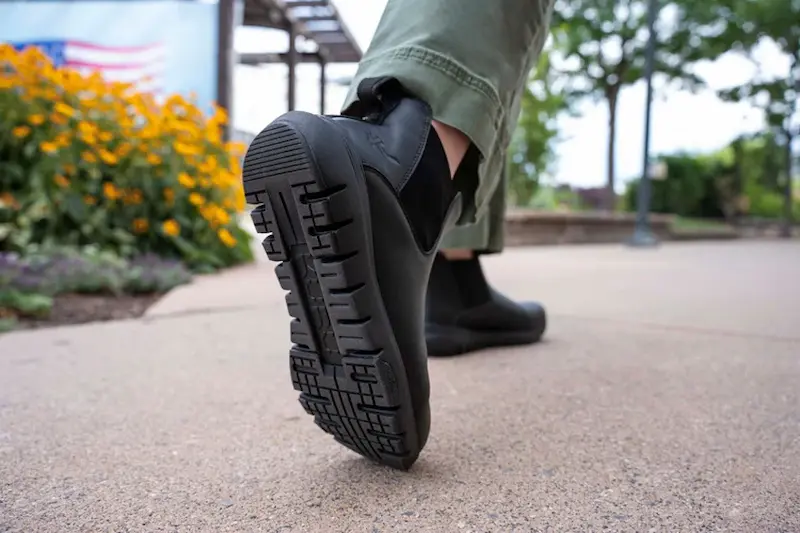
Your feet support your entire body every single day. On average, most people take between 5,000 and 10,000 steps daily, while some walk even more. Every step puts pressure on your feet, ankles, knees, and lower back.
When you wear shoes that don’t fit properly or lack support, your body absorbs more impact with every step. Over time, this can lead to discomfort and even long-term foot problems.
The best shoes for everyday wear help distribute your body weight evenly, reduce stress on your joints, and improve your overall walking experience. Investing in quality footwear is one of the simplest ways to protect your health while staying comfortable throughout the day.
Benefits of Wearing the Best Shoes for Everyday Wear
Choosing the right shoes offers more than just comfort. Here are some of the biggest advantages:
All-Day Comfort
Comfort is the first thing people notice in a good pair of shoes. Proper cushioning helps absorb shock while walking, reducing pressure on your heels and the balls of your feet.
Whether you’re standing for long hours or walking around town, comfortable shoes help you stay energized instead of feeling exhausted.
Better Foot Health
Good shoes support the natural shape of your feet. They help reduce the risk of common foot problems such as:
- Blisters
- Calluses
- Heel pain
- Arch pain
- Plantar fasciitis
- Bunions caused by tight footwear
Healthy feet contribute to better overall mobility and quality of life.
Improved Posture
The right shoes help align your feet, ankles, knees, hips, and spine. Better alignment improves posture and reduces strain on your lower back and joints.
Reduced Fatigue
Walking in supportive shoes requires less effort from your muscles. This means your legs and feet stay fresher for longer periods.
Long-Term Savings
While quality shoes may cost more initially, they often last much longer than cheaper alternatives. Buying one durable pair can be more cost-effective than replacing inexpensive shoes several times a year.
Features to Look for in the Best Shoes for Everyday Wear
Not every shoe labeled as “comfortable” will meet your needs. Here are the features you should always consider before making a purchase.
Excellent Cushioning
Cushioning is one of the most important factors in an everyday shoe. It absorbs impact and helps reduce stress on your joints.
Quality cushioning should feel soft without being overly squishy. It should provide support while allowing your feet to move naturally.
Shoes with good cushioning are ideal for:
- Walking
- Standing all day
- Traveling
- Shopping
- Daily commuting
Proper Arch Support
Every person’s feet are different. Some people have flat feet, while others have neutral or high arches.
Proper arch support:
- Prevents foot fatigue
- Improves balance
- Reduces pain
- Encourages natural movement
If you have existing foot pain, choosing shoes with the correct arch support becomes even more important.
Breathable Upper Material
Your feet naturally sweat throughout the day. Shoes made from breathable materials help regulate temperature and reduce moisture buildup.
Popular breathable materials include:
- Engineered mesh
- Knit fabric
- Canvas
- Perforated leather
Better airflow keeps your feet dry, comfortable, and odor-free.
Lightweight Construction
Heavy shoes can make every step feel more tiring. Lightweight shoes reduce strain on your legs, making them ideal for long days.
Many modern everyday shoes use lightweight foam midsoles that offer comfort without adding unnecessary weight.
Flexible Sole
A flexible sole allows your foot to bend naturally while walking.
The front part of the shoe should flex easily, while the middle remains supportive.
This creates a more comfortable and natural walking experience.
Durable Outsole
The outsole is the bottom part of the shoe that contacts the ground.
A high-quality rubber outsole provides:
- Better grip
- Improved traction
- Longer lifespan
- Greater stability on different surfaces
Secure Fit
A properly fitting shoe prevents unnecessary movement inside the shoe, reducing the risk of blisters and discomfort.
Your toes should have enough room to move without feeling cramped.
You may also like to read this:
Dress For Your Body Type: Style Tips For Every Shape
How To Choose Clothes: Simple Tips For Every Occasion
Best Fabric For Clothing: Complete Buying Guide
Clothing Buying Guide: Smart Tips For Every Shopper Today
How To Buy Quality Clothes | Smart Shopping Guide
Types of the Best Shoes for Everyday Wear
Different activities require different footwear. Understanding the available options helps you choose wisely.
Walking Shoes
Walking shoes are specifically designed for everyday movement.
They usually include:
- Soft cushioning
- Flexible soles
- Lightweight materials
- Comfortable heel support
Walking shoes are an excellent choice for people who spend several hours on their feet each day.
Running Shoes
Although made for running, many people wear running shoes daily because of their advanced cushioning technology.
Benefits include:
- Excellent shock absorption
- Breathable construction
- Lightweight feel
- Comfortable midsoles
Running shoes are especially suitable for people who walk long distances.
Casual Sneakers
Casual sneakers remain one of the most popular best shoes for everyday wear because they combine comfort with style.
They’re versatile enough for:
- Work
- School
- Shopping
- Casual outings
- Weekend trips
A good pair of sneakers can match jeans, chinos, shorts, and even smart casual outfits.
Slip-On Shoes
Slip-on shoes offer convenience without sacrificing comfort.
Advantages include:
- Easy to put on
- Lightweight
- Comfortable for short trips
- Great for travel
Many modern slip-ons also include memory foam insoles for extra cushioning.
Lifestyle Shoes
Lifestyle shoes are designed to blend athletic comfort with everyday fashion.
These shoes work well for people who want one pair that can handle multiple situations.
Best Materials for Everyday Shoes
The materials used in your shoes significantly affect their comfort, durability, and appearance.
Mesh
Mesh remains one of the most popular choices because it is:
- Highly breathable
- Lightweight
- Flexible
- Quick drying
Perfect for warm climates and active lifestyles.
Leather
Leather shoes offer classic style and exceptional durability.
Advantages include:
- Long lifespan
- Premium appearance
- Better structure
- Improved support
With proper care, leather shoes can last for many years.
Knit Fabric
Knit uppers stretch naturally around your foot, creating a snug yet comfortable fit.
Benefits include:
- Excellent ventilation
- Sock-like comfort
- Lightweight feel
- Flexible movement
Canvas
Canvas shoes remain popular for casual everyday wear.
They’re appreciated for being:
- Affordable
- Comfortable
- Breathable
- Stylish
However, they may not provide as much cushioning as athletic shoes.
Synthetic Materials
Modern synthetic materials can offer durability, water resistance, and lightweight comfort at a reasonable price.
Many brands combine synthetic materials with mesh for improved performance.
How to Choose the Best Shoes for Everyday Wear
Choosing the perfect shoes doesn’t have to be difficult. Keep these tips in mind while shopping.
Measure Your Feet
Many adults continue wearing the same shoe size for years without realizing their feet have changed.
Measure both feet before buying new shoes, as one foot is often slightly larger than the other.
Always buy shoes that fit your larger foot comfortably.
Shop Later in the Day
Feet naturally swell throughout the day.
Shopping in the afternoon or evening gives you a more accurate fit.
Wear the Right Socks
Always try shoes while wearing the type of socks you’ll normally use.
Thick socks can change how a shoe fits.
Walk Around Before Buying
Never judge comfort while sitting down.
Walk around the store or your home if ordering online.
Pay attention to:
- Heel movement
- Toe space
- Arch support
- Overall comfort
Prioritize Comfort Over Fashion
Stylish shoes may look great, but uncomfortable shoes often end up sitting in your closet.
Choose shoes you’ll actually enjoy wearing every day.
Best Shoes for Everyday Wear Based on Lifestyle
Office Workers
Office workers benefit from lightweight shoes with supportive cushioning that remain comfortable during long hours of standing or walking.
Students
Students often spend entire days walking across campuses.
Durable sneakers with breathable uppers and supportive soles are excellent choices.
Travelers
Travelers need shoes that can handle airports, sightseeing, and long walks.
Look for lightweight, breathable footwear with reliable cushioning.
People Who Stand All Day
Teachers, nurses, retail workers, and restaurant staff need shoes with:
- Thick cushioning
- Strong arch support
- Slip-resistant outsoles
- Durable construction
Comfort becomes especially important after several hours on your feet.
Parents
Busy parents constantly move throughout the day.
Flexible sneakers or supportive slip-ons make everyday tasks much easier.
Common Mistakes to Avoid When Buying Everyday Shoes
Many shoppers unknowingly make mistakes that lead to discomfort later.
Avoid these common errors:
- Buying shoes that are too small
- Choosing style over comfort
- Ignoring arch support
- Purchasing poor-quality materials
- Wearing worn-out shoes for too long
- Not trying shoes before buying
- Ignoring return policies when shopping online
A little extra attention during the buying process can save you money and discomfort in the long run.
Conclusion
Choosing the best shoes for everyday wear is about more than just style—it’s about comfort, support, and long-term foot health. By focusing on the right fit, quality materials, proper cushioning, and durability, you can find a pair that keeps you comfortable throughout your daily routine.
Whether you’re heading to work, running errands, or traveling, investing in the best shoes for everyday wear will help you stay comfortable, protect your feet, and enjoy every step with confidence.
Frequently Asked Questions (FAQs)
1. What are the best shoes for everyday wear?
The best shoes for everyday wear are those that provide excellent cushioning, arch support, breathable materials, and a comfortable fit. Walking shoes, casual sneakers, and lightweight running shoes are popular choices for daily use.
2. How do I choose the best shoes for everyday wear?
Choose shoes based on your foot size, arch type, daily activities, and comfort needs. Look for features like shock absorption, a durable outsole, breathable fabric, and proper support to ensure all-day comfort.
3. Are running shoes good for everyday wear?
Yes, many running shoes are suitable for everyday wear because they offer superior cushioning, flexibility, and support. However, if you don’t run regularly, lifestyle sneakers or walking shoes may also be excellent options.
4. How often should I replace everyday shoes?
Most everyday shoes should be replaced every 8–12 months or after about 300–500 miles of regular use. If you notice worn-out soles, reduced cushioning, or discomfort, it’s time for a new pair.
5. What material is best for everyday shoes?
Mesh and knit fabrics are great for breathability and lightweight comfort, while leather offers durability and a classic look. The best material depends on your lifestyle, climate, and personal preferences.